

This framework is designed to systematically move a stranger to a loyal, high-value client. It does not rely on luck; it relies on a predictable “Ascension Ladder.”
Core Philosophy: The goal is not just to “make a sale.” The goal is to acquire a customer at the breakeven point (or slight loss) and maximize profit on the highest value customers.
Phase 1: Setup & Input
Before building your funnel, you must have your ICPs defined. You need to know exactly who you serve and what painful problem you solve. Once that is established, you turn on the faucet.
1. Choose Your Traffic Source
You cannot be everywhere at once when launching. Pick one primary channel where your ideal client hangs out and master it before diversifying.
For Agencies (B2B): usually LinkedIn, Cold Email, or SEO. For Education (B2C/B2B): usually YouTube, Facebook/IG Ads, or Content Marketing.
Paid Traffic: Facebook, Google Adwords, YouTube.
Organic Traffic: SEO, Blogging, Social Media (Twitter/LinkedIn).

Stop Scroll
Good content is all about stop scroll. You create stop scroll by making insight impact on a reader, either by being controversial (basic, low value), or showing a unique insight.
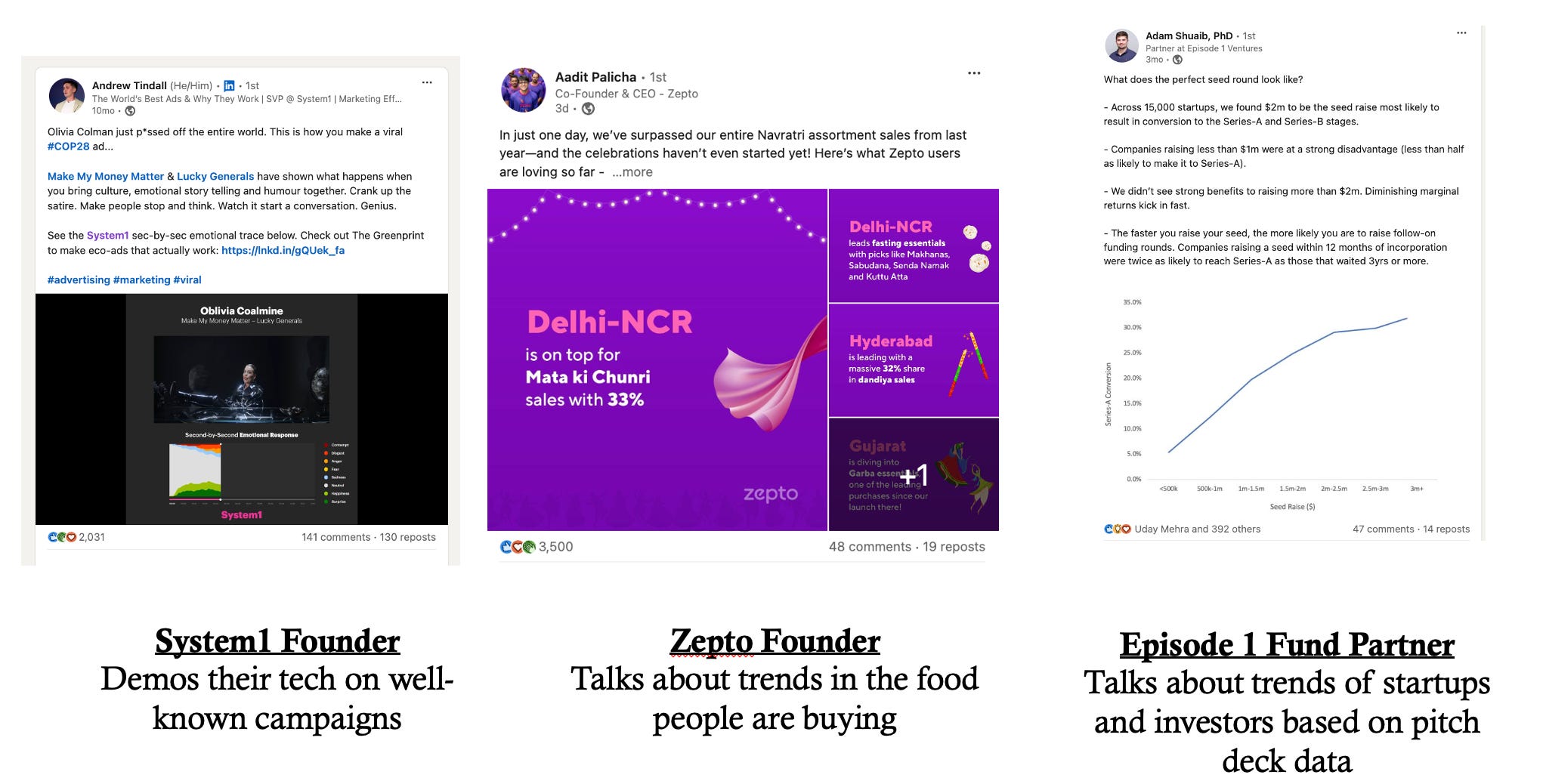
High quality LinkedIn posts stem from data or unusual insight
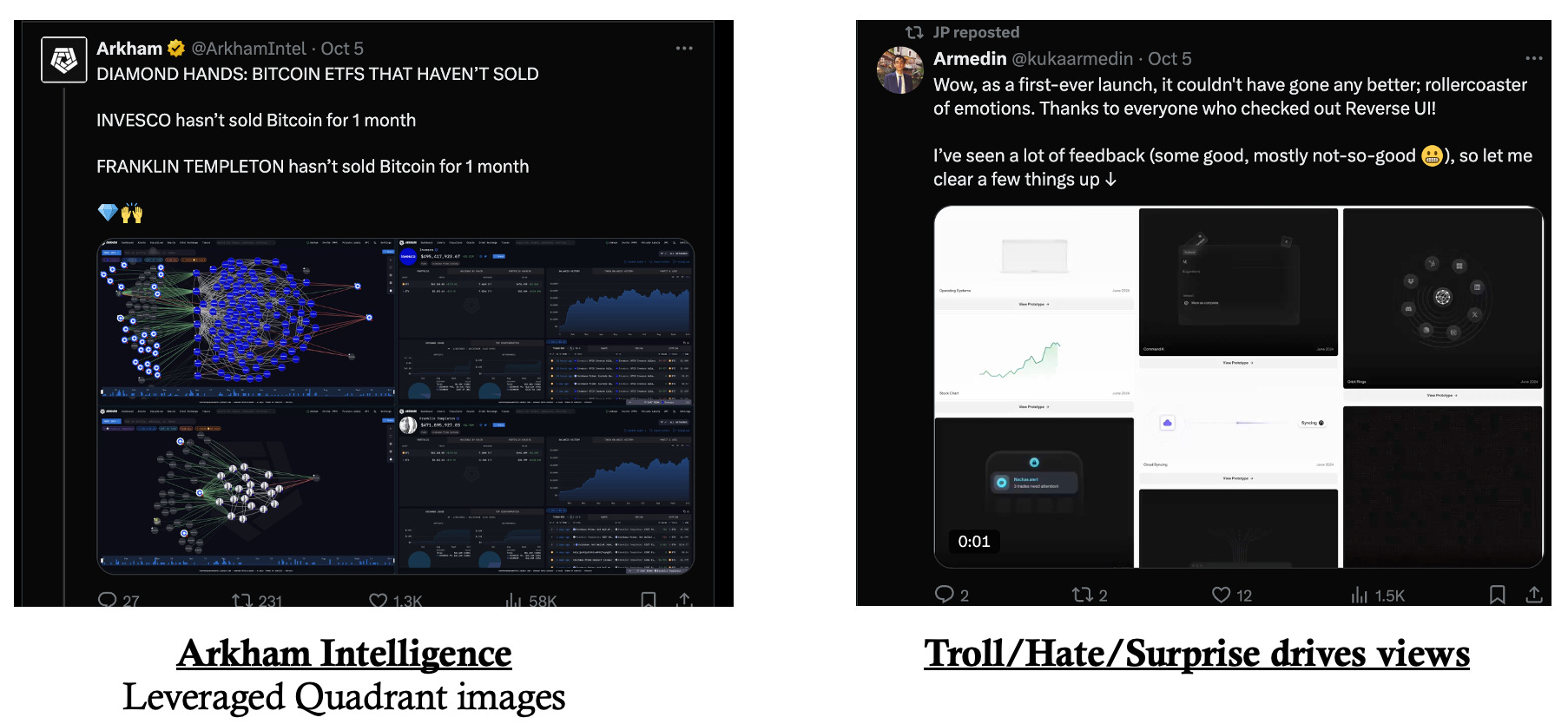
Twitter: we’ve seen that quadrant images as well as shock value drive views - take audiences on an emotional rollercoaster
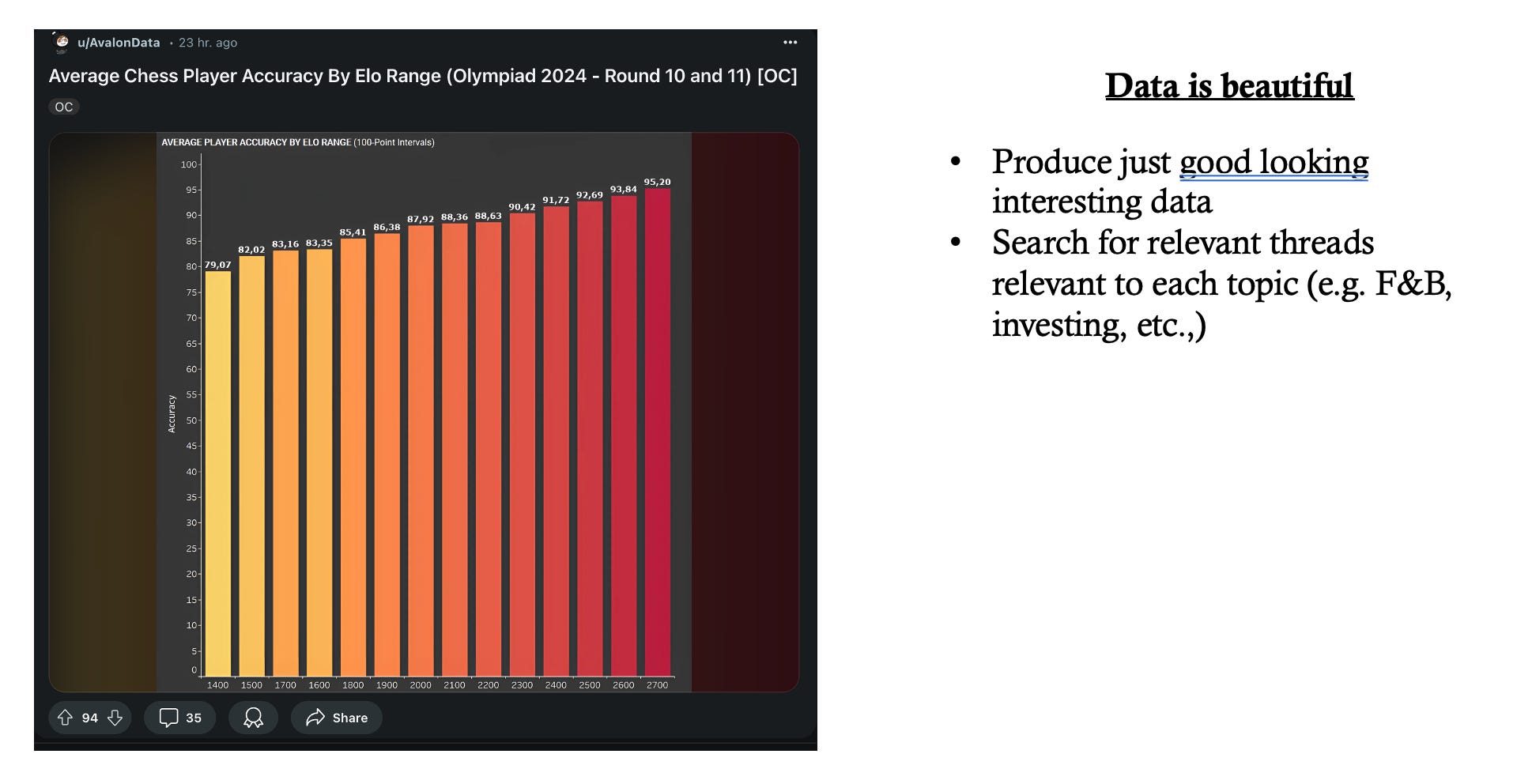
Reddit: is all about matching content to the thread. Doing so creates stop scroll. Posting beautiful data using your company tool does exceptionally well on data is beautiful - it also drives tonnes of traffic if positioned well
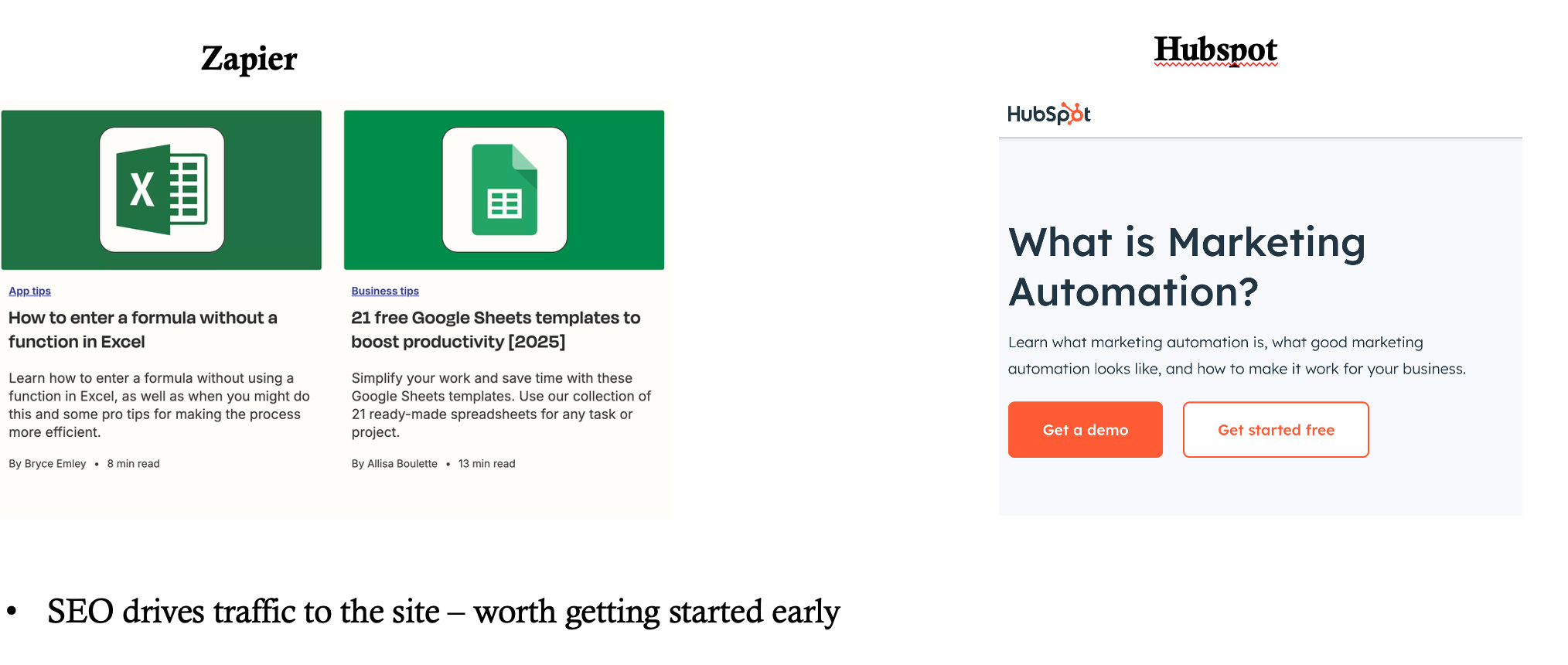
SEO and blogs: provide both immediate insight but also lots of intentional search traffic
Most of early Zapier users came from holding search terms around connecting external sources to Google.
SEO and now GEO (LLM SEO) are incredibly effective due to the immense value that comes from capturing intentional search. SEO has a long timeline so worth starting early.
Phase 2: The Ascension Funnel
This is the engine of your business.
2. The Lead Magnet (The “Bribe”)
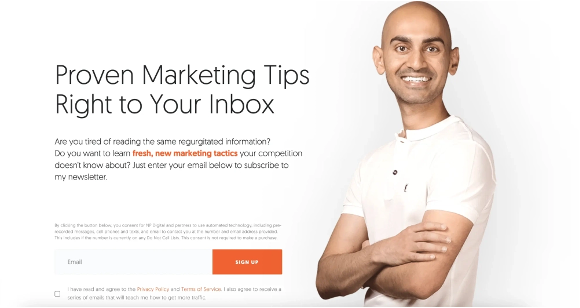
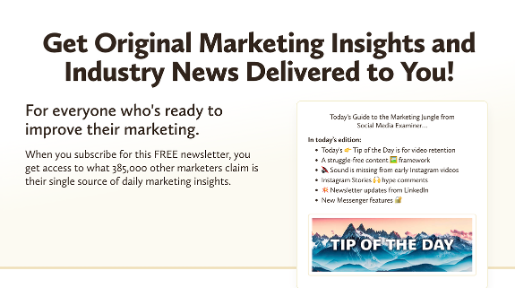
Goal: Exchange value for contact information (Permission to market). This must be a specific solution to a specific problem. Do not offer a “newsletter”; offer a tool.
Agency Examples:
“The 15-Point SEO Audit Checklist”
“The 2025 Ad Spend Calculator”
Education Examples:
“Free Mini-Training: How to code your first app”
“The Ultimate Keto Grocery List”
3. The Tripwire (The “Splinter”)
Goal: Turn a “Lead” into a “Customer.” This is a low-ticket offer (usually $7 - $97). The goal here is not profit; the goal is to change the psychological relationship. People who pay money (even $1) are 10x more likely to buy again than free-seekers.
Logic: If they say YES, move to Core Offer. If they say NO, enter them into a “Follow-Up Series” (Email automation).
Agency Examples:
A $97 Website Audit Video.
A $47 Pack of Social Media Templates.
Education Examples:
A $27 Workshop Recording.
A $7 “Swipe File” of copywriting headlines.
4. The Core Product (The Flagship)
Goal: Generate Revenue. This is what you are actually trying to sell. Because they have already trusted you with a small purchase (The Tripwire), selling this becomes significantly easier.
Logic: If they say YES, move to Profit Maximizer. If NO, enter Follow-Up Series.
Agency Examples:
Monthly Retainer ($2k - $10k/month).
Full Website Build ($15k project).
Education Examples:
The Full 8-Week Masterclass ($997).
Group Coaching Program ($1,500).
Semrush do this product then incredibly well
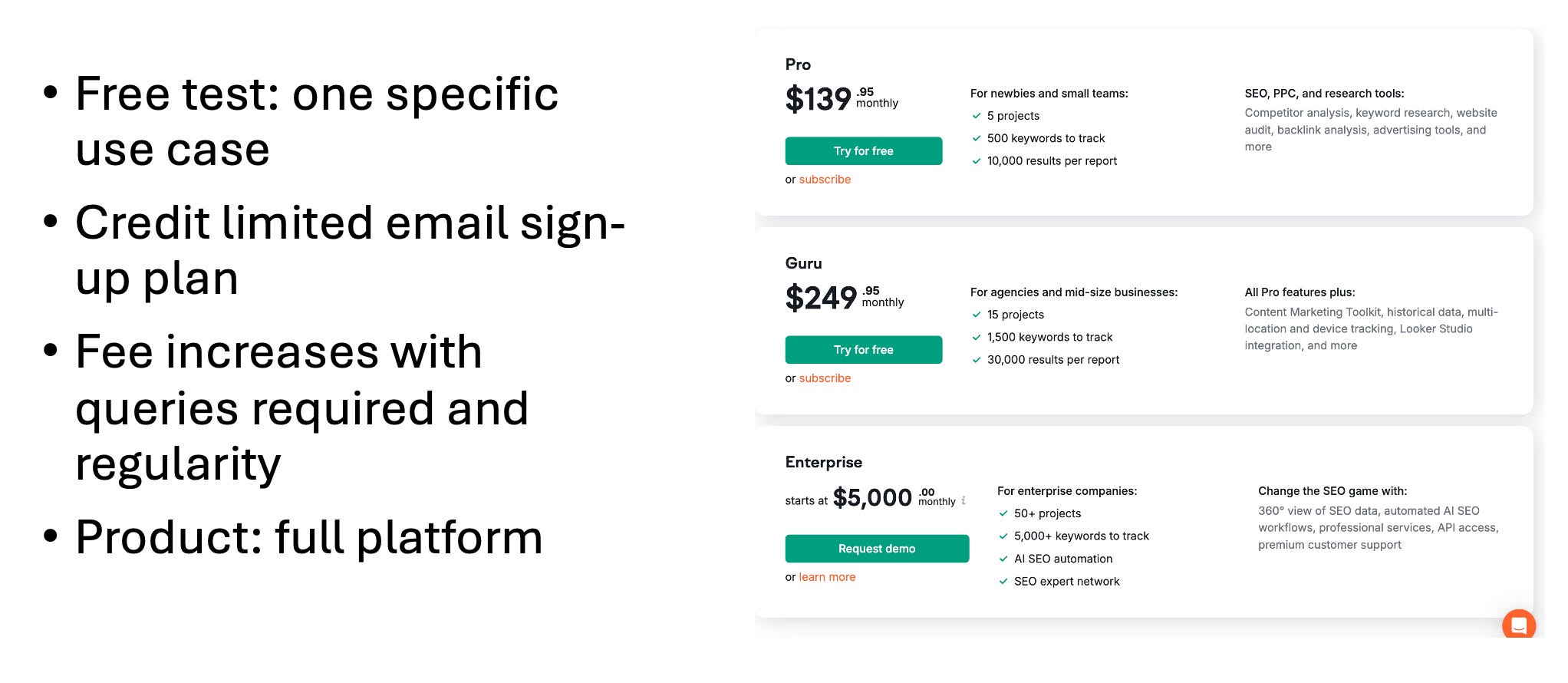
It’s much easier to upsell value when you’ve actually created value for the client already. Moreover, most customers nowadays are flooded with AI tools doing things, but want a done for you service. This is how you attract tier 1 clients.
5. The Profit Maximizer (The Upsell)
Goal: Maximize Customer Lifetime Value (LTV). Most businesses stop at the core product. The real profit is made here. This is an offer for your “hyper-active” buyers who want faster results or more access.
Agency Examples:
“Speed implementation”: Rush delivery for an extra fee.
Cross-sell: Adding Email Marketing services to a PPC client.
Education Examples:
1-on-1 Private Coaching upgrade.
“Done-For-You” Tech Setup.
Exclusive Mastermind Retreats.
Phase 3: The Safety Net (Retention)
What happens when people say “No” or finish buying? You don’t let them go.
6. The Follow-Up Series (The Nurture)
As seen in your diagram, every “No” triggers a specific email sequence.
Did they download the Magnet but didn’t buy the Tripwire? Send 3-5 emails adding value and reminding them of the Tripwire.
Did they buy the Tripwire but not the Core Product? Send case studies and testimonials proving the Core Product works.
7. The Return Path
Goal: Bring them back into the ecosystem. This creates “Top of Mind” awareness so when they are ready to buy again, they choose you.
Tactics:
Retargeting Ads: Showing ads to people who visited your checkout page but didn’t buy.
Weekly Content: consistent blogging or newsletters.
Community: Facebook Groups or Discord servers.